

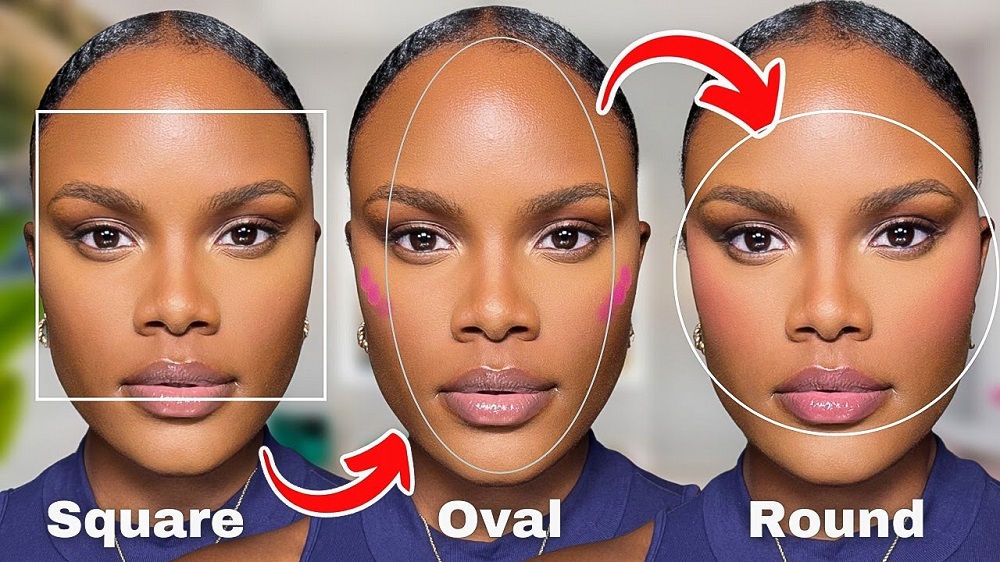
Blush has become one of the most influential products in modern makeup. What was once considered a simple way to add color to the cheeks is now used to shape the face, enhance bone structure, soften features, and even create optical illusions. Over the years, blush placement has changed dramatically alongside evolving beauty standards and face trend cycles.
Every era has favored a different facial aesthetic. Some decades celebrated rounded cheeks and youthful softness, while others focused on lifted cheekbones and sculpted structure. As these preferences changed, blush techniques adapted to support the desired look. Social media, celebrity culture, runway beauty, and global makeup trends have all contributed to the transformation of blush placement.
Today, blush is no longer restricted to the apples of the cheeks. Makeup artists and beauty enthusiasts use it across the temples, nose, under-eyes, and jawline to create customized effects. The evolution of blush placement reflects the larger shift in beauty culture toward experimentation, individuality, and face-shaping artistry.
The Traditional Blush Era
For decades, traditional blush application centered around creating a healthy and natural flush. During the 1950s and 1960s, makeup routines focused heavily on femininity and youthful charm. Blush was typically applied directly to the apples of the cheeks to imitate the rosy appearance that naturally occurs after physical activity or excitement.
Women were often instructed to smile while applying blush because the rounded part of the cheeks became more visible. The result was soft, fresh, and approachable.
Classic blush characteristics included:
- Circular placement on the cheeks
- Soft pink and peach shades
- Blended edges for a natural finish
- Minimal contouring or sculpting
This placement complemented the beauty ideals of the time, which favored fuller faces, soft features, and classic Hollywood glamour.
The Bold Makeup Movement of the 1980s
By the 1980s, beauty trends became far more dramatic. Makeup transformed into a statement rather than a subtle enhancement. Bright colors, bold cheekbones, and angular facial structure became highly desirable.
Blush placement shifted upward and outward toward the temples. Instead of focusing on youthful fullness, makeup artists used blush to sculpt and define the face.
Popular techniques from this era included:
- Diagonal blush placement
- Intense pigmentation
- Temple draping
- Sharp cheekbone emphasis
This trend aligned with the rise of power dressing and editorial beauty. Supermodels and celebrities embraced strong facial definition, and blush became a tool for creating structure rather than softness.
The Minimalist 1990s and Sculpted Beauty
The 1990s refined the dramatic makeup trends of the previous decade. Makeup became more muted and polished, but facial sculpting remained important. Beauty icons popularized thinner brows, matte skin, and defined cheekbones.
Blush placement stayed relatively high on the face but became softer and more blended. Mauve, rose, and earthy blush shades replaced the brighter tones of the 1980s.
During this period, blush was often paired with bronzer to create subtle contouring effects. Makeup artists focused on elongating the face and enhancing bone structure while maintaining a natural finish.
Key trends included:
- High cheekbone application
- Neutral blush tones
- Soft contour blending
- Matte textures
The emphasis on structure during the 1990s laid the foundation for the contour-heavy makeup era that followed years later.
The Contouring Boom of the 2010s
The rise of social media beauty influencers completely changed makeup application techniques during the 2010s. Contouring became one of the biggest beauty trends of the decade, and blush placement adapted to support sculpted facial aesthetics.
Heavy contouring created the illusion of:
- Sharper cheekbones
- Slimmer noses
- Lifted jawlines
- More angular facial features
As contour products became the primary focus, blush often played a supporting role. Instead of sitting prominently on the cheeks, blush was usually placed slightly above contour lines to soften transitions and add warmth.
Typical blush placement during this era included:
- High cheek placement
- Backward blending toward the hairline
- Minimal color on the center of the face
- Layering between contour and highlight
Many beauty tutorials discouraged applying blush too close to the nose because fuller cheeks were considered less sculpted. The goal was to create lifted facial proportions with maximum definition.
The Rise of Soft Beauty Trends
By the early 2020s, beauty trends began shifting away from heavy contouring. Younger makeup users started embracing fresher, softer makeup styles that emphasized natural skin and playful color.
Blush quickly returned as a focal point.
Instead of being secondary to contour products, blush became central to creating youthful and expressive makeup looks. This shift was heavily influenced by TikTok beauty trends and East Asian makeup techniques.
Modern blush placement expanded far beyond the cheeks.
Popular areas included:
- Nose bridge
- Temples
- Under-eyes
- Chin
- Across the center of the face
This new approach created softer facial dimensions and a more natural flush.
The Sunburn Blush Trend
One of the most viral makeup trends involved applying blush across the cheeks and nose to imitate a natural sunburned glow. This placement created a carefree and youthful appearance.
The look became especially popular because it gave the skin a healthy, outdoorsy finish without requiring heavy contouring.
Benefits of the sunburn blush trend included:
- Softer facial features
- A casual makeup appearance
- Enhanced warmth in the complexion
- A youthful aesthetic
Cream and liquid blush formulas played a major role in making this trend appear seamless and skin-like.
Under-Eye Blush and Doll-Like Makeup
Another major trend involved placing blush directly beneath the eyes instead of lower on the cheeks. This technique became especially popular within Korean and Japanese beauty styles before gaining global attention.
Under-eye blush creates:
- A softer face shape
- A romantic appearance
- Shorter mid-face proportions
- Enhanced eye emphasis
This style pairs well with dewy skin, glossy lips, and minimal foundation. The effect is delicate, youthful, and emotionally expressive.
Unlike earlier contour-heavy trends, this placement embraces softness rather than sharp definition.
How Face Shape Trends Influence Blush Placement
Beauty standards continuously shift between different preferred face shapes. As trends evolve, blush placement changes to support those ideals.
When Rounded Features Trend
When youthful, rounded faces become popular, blush placement usually moves inward toward the center of the face.
Common techniques include:
- Blush on the apples of the cheeks
- Nose-centered application
- Diffused blending
- Soft pink tones
This style enhances fullness and warmth.
When Sculpted Faces Trend
When lifted cheekbones and angular features dominate beauty culture, blush placement shifts upward.
Typical methods include:
- Temple-focused blush
- High cheekbone placement
- Elongated blending
- Sharper application techniques
These placements visually lift the face and emphasize structure.
The Influence of Korean and Japanese Makeup
Asian beauty trends have significantly reshaped global blush techniques. Korean beauty, in particular, focuses on youthful softness and naturally flushed skin.
Popular techniques include:
- Igari blush beneath the eyes
- Watercolor blush finishes
- Gradient blending
- Soft coral and pink shades
Japanese makeup trends also emphasize emotional styling through blush placement. Different techniques can create sweet, dramatic, innocent, or editorial effects depending on the desired mood.
These trends helped move Western beauty standards away from excessive contouring and toward softer, skin-focused makeup.
Cream Blush Changed Everything
The rise of cream and liquid blush transformed how makeup artists approached placement. Traditional powder blush could sometimes appear heavy or disconnected from the skin, especially when applied in unconventional areas.
Cream formulas allowed blush to blend naturally into the complexion. This made experimental placements look more believable and wearable.
Cream blush also contributed to trends like:
- Blurred blush edges
- Glass skin makeup
- Multi-point blush placement
- Watercolor cheeks
The finish appears fresher and more natural than traditional powder-heavy looks.
Social Media Accelerated Trend Cycles
Blush trends now evolve faster than ever because of social media platforms. TikTok, Instagram, and beauty-focused video content allow makeup techniques to spread globally within days.
Celebrity makeup artists, influencers, and runway trends constantly introduce new blush placements that quickly become mainstream.
Popular trend sources now include:
- Fashion week runway shows
- K-beauty creators
- Vintage makeup revivals
- Celebrity glam teams
- Editorial beauty campaigns
This rapid cycle means blush trends rarely stay dominant for long periods. Makeup users are constantly experimenting with new placements and finishes.
Personalized Makeup Is the Future
One of the biggest changes in modern beauty culture is the rejection of rigid makeup rules. Instead of applying blush according to strict face-shape guidelines, many people now choose placement based on personal preference and desired effects.
Modern blush application is often customized to create specific results.
| Desired Effect | Blush Placement |
|---|---|
| Lifted appearance | High cheekbones and temples |
| Youthful softness | Apples of the cheeks |
| Romantic makeup | Under-eye placement |
| Sun-kissed skin | Across cheeks and nose |
| Editorial structure | Temple draping |
| Natural flush | Centered cheek blending |
This flexibility reflects a broader beauty movement focused on individuality and self-expression.
Conclusion
Blush placement has evolved dramatically alongside changing face trend cycles. From the soft cheeks of classic Hollywood to the sculpted contour era and the playful flush trends dominating social media today, blush has become one of the most versatile tools in makeup.
Modern beauty trends no longer treat blush as a simple finishing product. Instead, it is used strategically to reshape facial proportions, enhance emotion, and create artistic expression. The rise of global beauty influences, social media experimentation, and skin-focused makeup has expanded the possibilities of blush placement far beyond traditional techniques.
As beauty standards continue shifting, blush trends will likely keep evolving. However, the current movement toward personalization suggests that future makeup styles will focus less on following strict rules and more on celebrating individual features and creativity.
FAQ
Why does blush placement change over time?
Blush placement changes because beauty standards and preferred face shapes evolve. Makeup trends adapt to create the facial effects that are considered attractive during different eras.
What blush placement creates a lifted appearance?
Applying blush high on the cheekbones and blending it toward the temples helps create a lifted and sculpted effect.
Why is under-eye blush popular today?
Under-eye blush creates a youthful and soft appearance. It also shortens the visual length of the mid-face and complements modern dewy makeup styles.
Does blush placement affect face shape?
Yes. Strategic blush placement can make the face appear longer, shorter, softer, slimmer, or more lifted depending on where the color is applied.
Why are cream blushes more popular now?
Cream blushes blend naturally into the skin and create a fresh, hydrated finish. They also work well for modern multi-point blush placement techniques.
What is blush draping?
Blush draping involves extending blush from the cheeks toward the temples to sculpt and define the face while adding color.
Are traditional blush techniques still relevant?
Yes. Traditional blush placement on the apples of the cheeks still works well for creating a classic, healthy, and youthful appearance.
Comments are closed.