

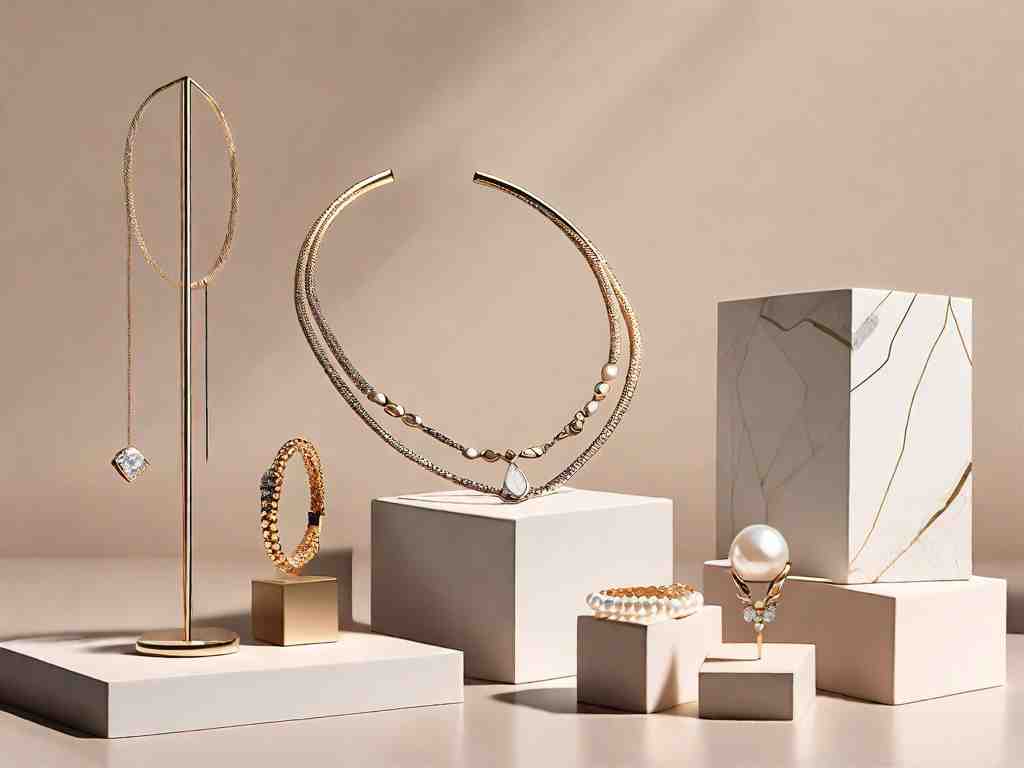
Jewelry has always carried meaning beyond decoration. Across cultures and generations, people have used rings, necklaces, bracelets, and earrings to communicate status, heritage, beliefs, relationships, and personal taste. In modern fashion culture, signature jewelry has evolved into something even more intimate. It has become part of personal identity.
Certain pieces stop feeling like accessories and begin functioning almost like extensions of the self. A familiar gold chain, a silver ring worn daily, a vintage watch, or a pair of recognizable earrings can become so connected to a person’s image that others instantly associate the item with them. Over time, these pieces carry memories, emotional value, and social meaning that go far beyond aesthetics.
Signature jewelry is powerful because it blends emotional attachment with visual consistency. It becomes part of how individuals express themselves without needing words.
What Makes Jewelry Feel Personal
Not all jewelry becomes signature jewelry. Many people own accessories they wear occasionally, but signature pieces occupy a different emotional and psychological space.
These pieces are often:
- Worn consistently
- Emotionally meaningful
- Visually recognizable
- Connected to personal memories
- Integrated into everyday style
Over time, repetition transforms jewelry into part of someone’s identity. The item becomes familiar not only to the wearer but also to the people around them.
This familiarity creates emotional permanence.
A necklace worn daily for years can begin to feel incomplete when removed because the piece becomes psychologically linked to self-image and routine.
The Emotional Connection Behind Signature Jewelry
One reason signature jewelry becomes so significant is emotional association. Jewelry often marks important life moments, relationships, or transitions.
People commonly attach emotional meaning to pieces connected to:
- Family inheritance
- Milestone celebrations
- Romantic relationships
- Career achievements
- Cultural heritage
- Personal growth
- Travel memories
Because jewelry physically stays close to the body, it often carries stronger emotional attachment than other fashion items.
Unlike clothing, which changes frequently, jewelry tends to remain consistent over long periods. This permanence strengthens emotional bonds between the wearer and the object.
Jewelry as a Form of Silent Communication
Fashion communicates identity visually, but jewelry often does so in a subtler and more intimate way.
Signature jewelry can quietly express:
- Personality
- Confidence
- Cultural identity
- Creativity
- Minimalism
- Rebellion
- Sophistication
- Spirituality
For example, someone who consistently wears layered silver rings may project a completely different image than someone known for delicate pearl jewelry.
These visual cues influence how others perceive identity, taste, and lifestyle.
Unlike trend-based accessories, signature jewelry usually reflects long-term self-expression rather than temporary fashion cycles.
Why Repetition Creates Recognition
Repetition plays a major role in turning jewelry into part of personal identity. When someone wears the same piece repeatedly, it becomes visually tied to their presence.
This consistency creates recognition.
People often become known for:
- A specific necklace
- Stacked bracelets
- Oversized earrings
- A luxury watch
- Signet rings
- Religious symbols
- Vintage heirloom pieces
Over time, others begin associating the jewelry with the individual rather than simply noticing the accessory itself.
The item becomes symbolic of the person.
This is similar to how certain hairstyles, fragrances, or clothing silhouettes become signature traits.
The Psychology of Attachment to Jewelry
Psychologists often describe certain possessions as extensions of identity. Jewelry fits this concept particularly well because it combines physical closeness, emotional symbolism, and visual familiarity.
Signature jewelry can create:
- Emotional comfort
- Confidence
- Continuity
- Stability
- Self-recognition
Many people instinctively touch their jewelry during moments of stress, reflection, or conversation. Rings are twisted, necklaces are adjusted, and bracelets are held unconsciously throughout the day.
These repeated physical interactions deepen attachment over time.
Jewelry becomes integrated into both emotional habits and body awareness.
Cultural Identity and Jewelry
In many cultures, jewelry carries deep symbolic meaning tied to heritage and community identity. Signature pieces may reflect family traditions, spirituality, or ancestral history.
Examples include:
- Gold bangles passed through generations
- Religious pendants
- Tribal beadwork
- Protective talismans
- Traditional gemstones
- Cultural metalwork
For diaspora communities especially, jewelry can function as a visible connection to heritage while living within different cultural environments.
These pieces often carry emotional significance beyond fashion because they preserve identity across generations.
Minimalism Increased the Importance of Signature Pieces
Modern minimalist fashion has contributed to the rise of signature jewelry. As wardrobes become simpler and more neutral, jewelry often becomes the primary form of individual expression.
Many people now build personal style around a few consistent pieces instead of constantly changing accessories.
This shift has increased appreciation for:
- Everyday gold chains
- Small hoop earrings
- Thin stacking rings
- Minimal cuffs
- Fine layered necklaces
The appeal lies in versatility and emotional familiarity rather than trend-driven styling.
Signature jewelry allows people to maintain individuality even within minimalist aesthetics.
Luxury Jewelry and Personal Legacy
Luxury jewelry often becomes especially tied to identity because of its longevity and investment value. High-quality materials such as gold, platinum, and diamonds are designed to last for decades or even generations.
As a result, luxury jewelry frequently becomes intertwined with personal legacy.
People may wear the same watch, bracelet, or necklace for years until it becomes inseparable from their public image.
Luxury signature jewelry often symbolizes:
- Achievement
- Stability
- Sophistication
- Family heritage
- Personal milestones
Unlike fast fashion accessories, investment jewelry usually gains emotional value over time rather than losing relevance.
Celebrity Influence on Signature Jewelry Culture
Celebrities have played a major role in popularizing signature jewelry as part of identity branding. Many public figures become visually associated with specific accessories.
Examples include:
- Layered chains
- Diamond studs
- Chunky rings
- Statement watches
- Pearl necklaces
- Symbolic pendants
These recurring pieces help create recognizable public images.
However, signature jewelry is not limited to celebrity culture. Everyday people also use jewelry to establish continuity within their personal style.
The influence of celebrity styling simply reinforces the idea that jewelry can become part of identity itself.
Sentimental Jewelry Versus Trend Jewelry
There is a major difference between sentimental jewelry and trend-focused jewelry.
Trend jewelry usually follows temporary fashion movements:
- Oversized statement pieces
- Seasonal colors
- Viral social media trends
- Fast fashion accessories
Signature jewelry, however, tends to remain emotionally relevant regardless of changing trends.
Sentimental pieces often survive multiple style eras because their meaning outweighs temporary aesthetics.
This emotional durability is one reason signature jewelry remains powerful even in rapidly changing fashion cycles.
Jewelry as a Source of Confidence
Many people develop emotional confidence through signature jewelry. Familiar pieces can create a sense of stability and self-assurance.
Wearing a meaningful accessory may help someone feel:
- More polished
- More emotionally grounded
- More authentic
- More connected to themselves
This effect explains why some people rarely remove certain pieces even while sleeping or traveling.
The jewelry becomes psychologically reassuring because it reinforces self-image and continuity.
The Rise of Personalized Jewelry
Customization has become increasingly important in modern jewelry culture. Consumers are moving away from generic luxury and seeking pieces that feel deeply personal.
Popular forms of personalized jewelry include:
- Initial necklaces
- Birthstone rings
- Engraved bracelets
- Zodiac symbols
- Coordinates jewelry
- Nameplates
- Fingerprint pendants
These pieces strengthen emotional attachment because they directly reference identity, memory, or personal history.
Customization transforms jewelry from a decorative object into a symbolic possession.
Social Media and Identity Styling
Social media has amplified the role of signature jewelry in personal branding. Platforms like Instagram, TikTok, and Pinterest encourage visual consistency and recognizable style identities.
People increasingly use jewelry to shape their online image.
Consistent accessories help create:
- Personal branding
- Visual recognition
- Lifestyle identity
- Aesthetic continuity
This has contributed to the growing popularity of curated everyday jewelry collections designed around long-term wear rather than seasonal trends.
Jewelry and Memory Preservation
Jewelry often becomes deeply tied to memory because it physically accompanies people through important life experiences.
A ring worn during major milestones or a necklace received during a meaningful relationship may absorb emotional significance over time.
Unlike digital memories or photographs, jewelry remains tactile and physically present.
This physical permanence helps preserve emotional connections across years and even generations.
Many heirloom pieces become treasured not because of material value alone but because they carry personal history.
Why Signature Jewelry Endures Across Trends
Fashion trends constantly evolve, but signature jewelry often remains stable because identity itself changes more slowly than style cycles.
People may update clothing, hairstyles, or makeup trends regularly while continuing to wear the same meaningful jewelry for decades.
This endurance happens because signature jewelry operates on a deeper emotional level than trend consumption.
It reflects:
- Personal continuity
- Emotional attachment
- Self-expression
- Individual history
As fashion becomes increasingly fast paced, signature jewelry offers a sense of permanence and authenticity.
Conclusion
Signature jewelry becomes part of personal identity because it blends emotional meaning, visual consistency, and self-expression into everyday life. Over time, certain pieces stop functioning as simple accessories and instead become symbolic extensions of the person wearing them.
Whether connected to family heritage, personal milestones, cultural identity, or individual style, signature jewelry creates lasting emotional relationships that often outlive fashion trends. Through repetition, memory, and emotional attachment, these pieces become woven into how people see themselves and how others recognize them.
In a culture increasingly shaped by fast-changing aesthetics, signature jewelry remains powerful because it offers continuity, authenticity, and personal meaning. It reflects not only what someone wears but also who they are.
FAQ
What makes jewelry become a signature piece?
Jewelry becomes a signature piece when it is worn consistently, holds emotional meaning, and becomes strongly associated with a person’s identity or appearance.
Why do people feel emotionally attached to jewelry?
Jewelry often represents memories, relationships, milestones, or cultural connections, making it emotionally significant over time.
Can minimalist jewelry still be considered signature jewelry?
Yes. Simple pieces like thin gold chains, stacking rings, or small hoops often become signature items because they are worn daily and feel personally connected to the wearer.
Why does jewelry feel more personal than other accessories?
Jewelry stays physically close to the body and is often worn consistently for long periods, creating stronger emotional and psychological attachment.
How does social media influence signature jewelry trends?
Social media encourages visual consistency and personal branding, leading many people to adopt recognizable jewelry styles as part of their identity.
Is heirloom jewelry more emotionally valuable than luxury jewelry?
Heirloom jewelry often carries deeper emotional significance because it connects personal history, family memory, and generational identity.
Why do people wear the same jewelry every day?
Daily jewelry creates familiarity, emotional comfort, and continuity. Over time, certain pieces become integrated into personal routine and self-image.
Comments are closed.