

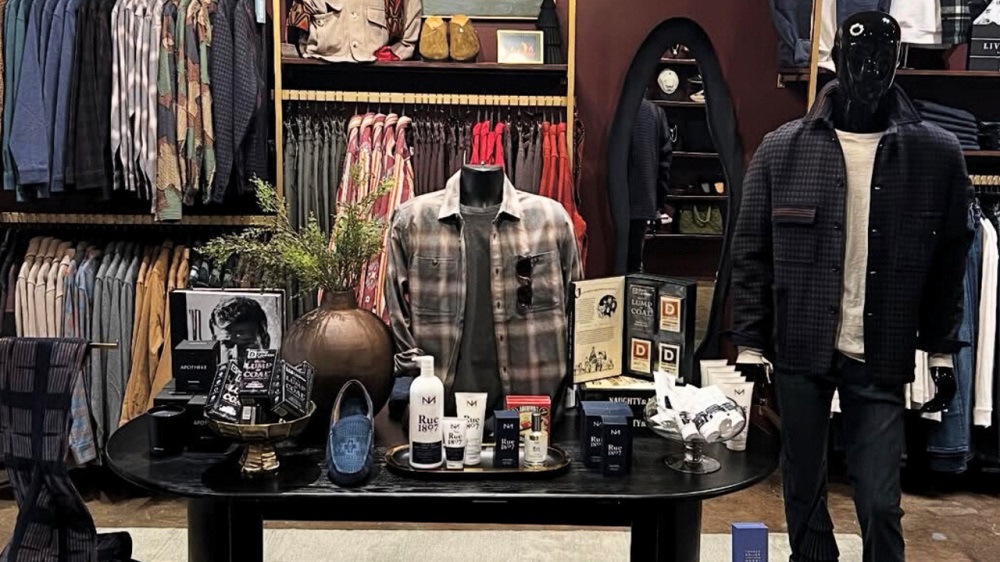
In a crowded market filled with constant advertising and fast-moving trends, boutique brands often stand out for a completely different reason. They do not rely on mass appeal or aggressive marketing tactics. Instead, they create a sense of refinement through subtle details that quietly communicate quality, identity, and trust.
Consumers today are more visually aware and emotionally driven than ever before. People no longer buy products based only on functionality. They also respond to atmosphere, storytelling, consistency, and emotional experience. Boutique brands that understand this tend to leave a lasting impression, even when their branding appears understated.
What separates an elevated boutique brand from an average one is rarely a single dramatic feature. More often, it is the collection of small, intentional signals that shape how customers perceive the business from the very first interaction.
Why Subtle Branding Matters More Than Loud Marketing
Luxury and boutique branding often operate differently from mainstream retail strategies. Instead of competing for maximum visibility, elevated brands create exclusivity through restraint and clarity.
Subtle branding works because it suggests confidence. A brand that feels secure in its identity does not need to overwhelm customers with excessive messaging, cluttered visuals, or constant promotions.
Consumers often associate understated presentation with:
- Higher quality
- Better craftsmanship
- Authenticity
- Attention to detail
- Emotional sophistication
This psychological response plays a major role in how boutique brands build loyalty and long-term value.
Consistency Creates Instant Credibility
One of the strongest signals of a premium boutique brand is consistency across every customer touchpoint. Elevated brands rarely feel fragmented or random.
Everything aligns visually and emotionally, including:
- Packaging
- Website design
- Social media
- Product photography
- Email communication
- Store interiors
- Typography
- Brand voice
When all these elements feel cohesive, customers subconsciously interpret the brand as trustworthy and intentional.
Consistency does not mean every design element must look identical. Instead, it means every part of the brand should feel connected to the same identity and values.
Thoughtful Packaging Signals Quality
Packaging is often the first physical interaction customers have with a boutique brand. Even before someone tries the product itself, packaging shapes expectations about quality and experience.
Elevated boutique packaging typically focuses on refinement rather than excess.
Common characteristics include:
- Premium textures
- Minimal but intentional design
- Structured typography
- Balanced spacing
- Durable materials
- Muted or cohesive color palettes
Well-designed packaging communicates that the brand values presentation and customer experience. It also creates a sense of anticipation and emotional connection.
Small details often matter most, such as:
- The weight of a box
- The feel of tissue paper
- Clean label placement
- Handwritten inserts
- Smooth opening experiences
These subtle sensory moments can strongly influence perceived value.
Typography Quietly Shapes Brand Perception
Typography is one of the most overlooked branding elements, yet it significantly affects how customers interpret a brand’s personality.
Boutique brands often use typography strategically to create mood and identity.
For example:
- Serif fonts may communicate heritage and sophistication
- Minimal sans-serif fonts often feel modern and refined
- Custom typography can create exclusivity
- Balanced spacing creates a more luxurious appearance
Poor typography choices can instantly weaken a brand’s image, even if the products themselves are high quality.
Elevated brands usually avoid overcrowded text, inconsistent font usage, and overly decorative styles that distract from clarity.
Color Palettes Influence Emotional Response
Color psychology plays an important role in boutique branding. Subtle, carefully curated palettes often create a more premium feel than highly saturated or chaotic combinations.
Many boutique brands favor:
- Earth tones
- Warm neutrals
- Muted greens
- Soft creams
- Charcoal shades
- Dusty blues
- Deep browns
These palettes tend to feel timeless rather than trend-driven.
Color consistency across packaging, photography, digital platforms, and retail environments strengthens brand recognition while creating emotional harmony.
Photography Defines Brand Atmosphere
Photography is no longer just about showcasing products. It has become a key part of storytelling and emotional branding.
Elevated boutique brands often use photography to create mood rather than simply display inventory.
Common visual characteristics include:
- Natural lighting
- Soft shadows
- Intentional composition
- Minimal clutter
- Realistic textures
- Emotional warmth
Lifestyle photography has become especially important because customers want to imagine how products fit into their personal lives.
Highly polished images can sometimes feel impersonal. Many modern boutique brands now favor photography that feels authentic, lived-in, and emotionally grounded.
A Distinct Brand Voice Builds Identity
The way a boutique brand communicates matters just as much as visual presentation. Tone of voice shapes how customers emotionally connect with the business.
Elevated brands usually maintain a voice that feels:
- Clear
- Confident
- Calm
- Intentional
- Human
- Emotionally aware
They avoid sounding overly promotional or desperate for attention.
Strong boutique brand messaging often focuses on storytelling, craftsmanship, inspiration, or lifestyle rather than aggressive selling tactics.
Customers are more likely to trust brands that communicate with clarity and authenticity.
The Power of Negative Space
One of the most recognizable traits of premium boutique branding is the use of negative space. Empty space in design creates breathing room and visual balance.
Brands that overcrowd layouts with text, graphics, and promotions often appear less refined.
Negative space helps emphasize:
- Product quality
- Simplicity
- Sophistication
- Confidence
- Clarity
This design principle appears frequently in luxury fashion, skincare, interior design, and lifestyle branding.
Minimalism is not about removing personality. It is about allowing important elements to stand out without visual noise.
Customer Experience as a Brand Signal
Elevated boutique brands understand that branding extends far beyond logos and packaging. Customer experience itself becomes part of the brand identity.
Subtle service details can dramatically influence perception.
Examples include:
- Fast and thoughtful communication
- Personalized recommendations
- Smooth checkout experiences
- Easy navigation on websites
- Carefully written thank-you messages
- High-quality shipping presentation
Customers remember how a brand makes them feel. A seamless and emotionally considerate experience often matters more than flashy marketing.
Scarcity and Exclusivity Create Desire
Many boutique brands intentionally avoid overexposure. Limited inventory, curated collections, and controlled product releases can increase perceived value.
Scarcity creates emotional tension because customers associate limited access with uniqueness and craftsmanship.
This does not mean brands should manipulate customers artificially. Instead, exclusivity works best when it reflects genuine production limitations or intentional curation.
Boutique brands often elevate themselves by:
- Releasing seasonal collections
- Offering small batch products
- Highlighting craftsmanship
- Avoiding excessive discounting
Over-discounting can weaken the sense of exclusivity and reduce long-term brand value.
Material Quality Speaks Quietly
Customers often judge boutique brands based on tactile experience. Material quality communicates value before someone even uses the product.
Premium materials may include:
- Thick paper stock
- Natural fabrics
- Matte finishes
- Glass packaging
- Soft-touch coatings
- Organic textures
These details create sensory experiences that feel elevated and memorable.
Quality materials also support sustainability efforts, which increasingly influence customer perception and purchasing decisions.
Emotional Storytelling Builds Connection
People connect with stories more deeply than product specifications. Boutique brands that communicate emotional narratives often feel more meaningful and memorable.
Effective storytelling may focus on:
- Founder inspiration
- Artisanal processes
- Heritage and tradition
- Local craftsmanship
- Sustainability values
- Creative philosophy
Customers increasingly want to support brands that reflect their identity and values.
Authentic storytelling creates emotional depth that mass-market brands often struggle to replicate.
Social Proof Without Overexposure
Luxury and boutique brands tend to approach social proof differently than mainstream brands. Instead of overwhelming customers with aggressive testimonials and constant influencer partnerships, they often use more subtle credibility signals.
These may include:
- Organic customer photography
- Thoughtful reviews
- Editorial features
- Quiet celebrity usage
- Community engagement
Subtle social proof feels more trustworthy because it appears less manufactured.
Why Boutique Brands Benefit From Slower Trends
One major advantage boutique brands have is flexibility. Unlike large corporations tied to fast production cycles, smaller brands can evolve more intentionally.
Many elevated boutique brands avoid chasing every viral trend. Instead, they focus on timeless aesthetics and carefully curated updates.
This slower approach helps maintain:
- Brand consistency
- Product integrity
- Emotional trust
- Long-term recognition
Consumers increasingly appreciate brands that feel stable and authentic rather than reactive and trend-obsessed.
The Shift Toward Quiet Luxury
The rise of quiet luxury has strongly influenced boutique branding across fashion, beauty, home decor, and lifestyle industries. Consumers are becoming more drawn to subtle sophistication over loud status signaling.
Quiet luxury focuses on:
- Understated quality
- Craftsmanship
- Timeless design
- Emotional refinement
- Longevity
Boutique brands naturally align with this movement because they often prioritize intention over excess.
Rather than demanding attention, elevated brands create intrigue through restraint and detail.
Conclusion
The most elevated boutique brands rarely rely on dramatic marketing tactics or flashy visuals. Instead, they build emotional impact through subtle signals that communicate quality, consistency, and intention.
From typography and packaging to photography and customer experience, every detail shapes how consumers perceive a brand. Small refinements often create the strongest emotional responses because they feel thoughtful rather than forced.
Modern consumers are increasingly drawn to authenticity, sensory experience, and emotional connection. Boutique brands that understand these subtle dynamics can create lasting loyalty without overwhelming their audience.
In today’s saturated market, refinement often speaks louder than excess.
FAQ
What makes a boutique brand feel more premium?
A boutique brand often feels premium because of consistent branding, thoughtful packaging, refined visuals, and strong attention to detail across every customer interaction.
Why is minimalism common in boutique branding?
Minimalism creates clarity and sophistication. It allows products and brand identity to stand out without visual clutter or excessive messaging.
How important is packaging for boutique businesses?
Packaging is extremely important because it shapes first impressions and influences how customers perceive quality, value, and professionalism.
Why do luxury style brands avoid excessive promotions?
Too many discounts or aggressive sales tactics can reduce perceived exclusivity and weaken long-term brand positioning.
How does typography affect brand perception?
Typography influences mood, trust, and sophistication. Clean and intentional font choices help create a more elevated and cohesive identity.
What role does storytelling play in boutique branding?
Storytelling creates emotional connection by helping customers understand the brand’s inspiration, values, and identity beyond the product itself.
Why are customers attracted to quiet luxury brands?
Many consumers now prefer understated quality and timeless design over obvious status symbols. Quiet luxury feels more refined, personal, and lasting.
Comments are closed.