

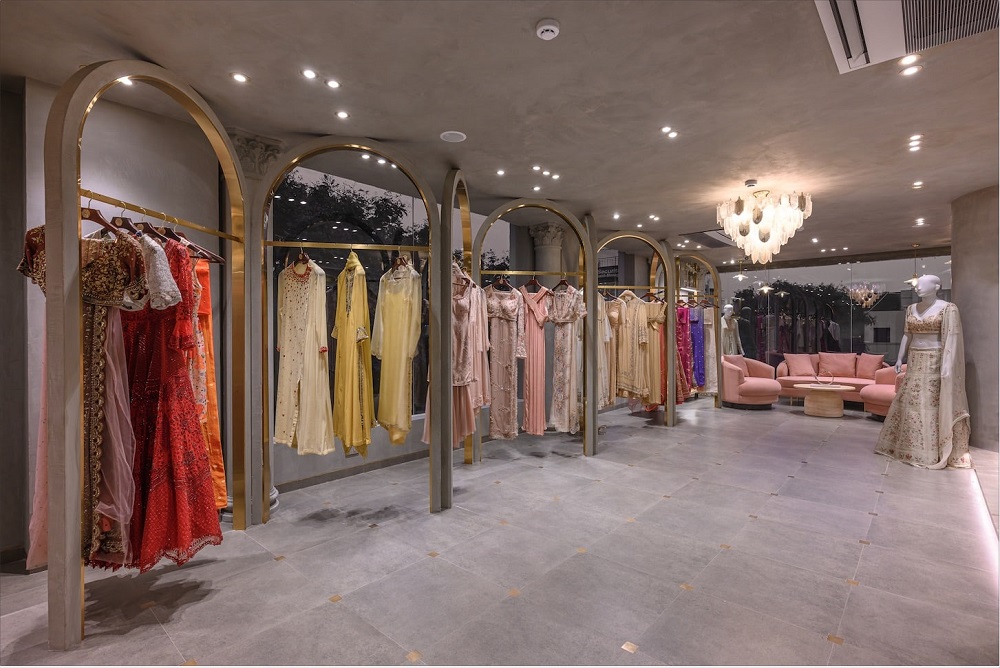
In today’s competitive market, boutique brands are no longer judged solely by the products they sell. Consumers increasingly evaluate brands based on atmosphere, presentation, emotional resonance, and identity. A boutique’s aesthetic has become far more than visual decoration. It now functions as a form of authority.
From fashion and beauty to home decor and lifestyle retail, boutique businesses use carefully crafted aesthetics to establish credibility, trust, and cultural relevance. Customers often decide whether a brand feels premium, aspirational, or trustworthy within seconds of encountering its visuals. In many cases, aesthetic consistency shapes perception before the product itself is even experienced.
The most successful boutiques understand that aesthetic is not superficial. When used strategically, it becomes a language that communicates expertise, values, taste, and positioning. Modern consumers are highly responsive to visual identity, and boutiques that master aesthetic storytelling often gain influence far beyond their size.
Why Aesthetic Matters More Than Ever
The rise of digital platforms has dramatically changed consumer behavior. People are constantly exposed to curated visuals through social media, online shopping, and lifestyle content. As a result, aesthetics now influence purchasing decisions more heavily than ever before.
Consumers no longer separate product quality from presentation. Instead, they interpret visual identity as a reflection of professionalism, attention to detail, and brand philosophy.
A strong aesthetic can communicate:
- Trustworthiness
- Expertise
- Exclusivity
- Emotional sophistication
- Cultural awareness
- Product quality
Boutiques that create cohesive visual worlds often appear more authoritative because customers associate consistency with competence.
The Psychology Behind Visual Authority
Human perception is highly visual. Research in consumer psychology shows that people form impressions quickly, often within moments of seeing a brand.
When a boutique maintains a refined and intentional aesthetic, customers subconsciously assume the business applies the same level of care to its products and services.
This psychological connection is why aesthetics influence authority so strongly.
Certain visual signals commonly communicate expertise:
- Balanced design layouts
- Consistent branding
- High-quality photography
- Minimal visual clutter
- Sophisticated typography
- Cohesive color palettes
These elements create a sense of professionalism that strengthens consumer confidence.
Consistency Builds Recognition and Trust
One of the most powerful ways boutiques turn aesthetic into authority is through consistency. Every visual touchpoint contributes to how customers perceive the brand.
This includes:
- Website design
- Social media content
- Product packaging
- Store interiors
- Marketing materials
- Photography style
- Typography choices
When these elements feel unified, the brand appears more established and intentional.
Inconsistent aesthetics create confusion. A boutique that changes visual direction constantly may appear uncertain about its identity. On the other hand, a consistent visual language creates familiarity and long-term recognition.
Trust grows when customers know what to expect from a brand experience.
Boutique Spaces as Brand Statements
Physical retail spaces play a major role in reinforcing authority. Boutique stores are often designed to feel immersive rather than transactional.
Every design decision contributes to the overall atmosphere.
Important elements include:
- Lighting
- Scent
- Music
- Layout
- Furniture
- Materials
- Product spacing
An elevated boutique environment encourages customers to slow down and emotionally engage with the brand.
Luxury retail psychology often relies on spaciousness and calm environments because they signal confidence and exclusivity. Boutiques that carefully design physical experiences can create a perception of expertise without directly advertising it.
Curated Product Selection Creates Expertise
Authority is not only built through design but also through curation. Many successful boutiques intentionally limit product offerings rather than overwhelming customers with endless options.
Careful curation suggests:
- Strong taste
- Industry knowledge
- Intentional sourcing
- Quality control
Customers often trust boutiques more when products feel thoughtfully selected rather than mass produced.
A tightly curated inventory also strengthens aesthetic identity because every item contributes to the overall brand story.
Photography Shapes Brand Perception
Photography has become one of the most influential tools in boutique branding. Modern consumers often experience brands digitally before interacting with products in person.
High-quality imagery creates emotional context around products and lifestyle positioning.
Boutique photography often emphasizes:
- Natural textures
- Soft lighting
- Realistic environments
- Intentional composition
- Emotional atmosphere
Rather than aggressively selling products, boutique imagery usually focuses on mood and identity.
This approach helps customers imagine themselves within the brand’s world.
Social Media as an Authority Tool
Social media has transformed aesthetics into a form of digital credibility. Platforms like Instagram and Pinterest reward visually cohesive content, making aesthetic branding directly connected to visibility and influence.
Boutiques that maintain recognizable visual identities often gain stronger audience loyalty.
Successful boutique social media strategies usually include:
- Consistent editing styles
- Cohesive color palettes
- Branded storytelling
- Lifestyle integration
- Intentional pacing of content
Consumers increasingly judge legitimacy based on how polished and emotionally aligned a brand appears online.
A boutique with a strong visual identity can appear larger and more influential than it actually is.
Typography and Graphic Design Influence Perception
Typography quietly communicates personality and authority. Boutique brands often use typography strategically to reinforce their identity.
Different font styles create different emotional responses.
For example:
- Serif fonts often feel timeless and refined
- Sans-serif fonts may feel modern and minimal
- Thin typography can communicate elegance
- Bold typography may suggest confidence
Spacing and layout matter just as much as font selection. Clean graphic design with intentional negative space often feels more premium than crowded layouts.
These subtle details shape customer impressions subconsciously.
Packaging Extends the Brand Experience
Packaging has evolved into a critical part of boutique authority. Customers increasingly view packaging as part of the product itself rather than separate from it.
Elevated packaging creates emotional impact through:
- Texture
- Weight
- Material quality
- Simplicity
- Color harmony
- Unboxing experience
Thoughtful packaging communicates care and refinement.
Many boutique brands also use packaging to reinforce sustainability values through recyclable materials, reusable containers, and minimal waste design. These choices strengthen credibility with modern consumers who value ethical branding.
Storytelling Adds Emotional Depth
Authority becomes stronger when aesthetics connect to a compelling narrative. Consumers want to understand the purpose behind a boutique’s identity.
Effective storytelling may focus on:
- Founder inspiration
- Creative philosophy
- Cultural influences
- Artisanal craftsmanship
- Sustainability efforts
- Heritage and tradition
When aesthetic choices align with authentic storytelling, brands feel more meaningful and trustworthy.
Customers are more likely to emotionally invest in brands that communicate depth and intention.
Quiet Luxury and Understated Branding
The growing popularity of quiet luxury has influenced how boutiques position themselves visually. Instead of loud logos and excessive branding, many elevated boutiques now embrace restraint.
Quiet luxury aesthetics often feature:
- Neutral color palettes
- Minimal branding
- Timeless silhouettes
- Subtle textures
- Clean presentation
This understated approach creates authority because it suggests confidence rather than attention-seeking.
Consumers increasingly associate quiet sophistication with higher quality and stronger taste.
Emotional Experience Creates Loyalty
Boutique authority is ultimately built through emotional experience. Customers remember how a brand made them feel more than specific marketing messages.
Aesthetic consistency helps create emotions such as:
- Comfort
- Aspiration
- Calmness
- Inspiration
- Exclusivity
- Belonging
When customers emotionally connect with a boutique, they are more likely to trust the brand and remain loyal over time.
This emotional relationship often becomes stronger than price competition.
Why Authenticity Matters
Modern consumers are highly sensitive to brands that feel artificial or trend-driven. Aesthetic authority only works when it feels authentic to the brand’s identity.
Copying visual trends without deeper meaning can weaken credibility.
Authentic boutiques usually have:
- Clear brand values
- Consistent creative direction
- Genuine storytelling
- Long-term visual coherence
Customers can often sense when aesthetics are used purely for appearance rather than supported by real substance.
The strongest boutique brands align visual identity with product quality and customer experience.
The Role of Scarcity in Boutique Branding
Scarcity can strengthen authority when used thoughtfully. Limited collections, exclusive releases, and curated inventory create a sense of value and uniqueness.
Boutiques often use scarcity to communicate:
- Craftsmanship
- Intentional production
- Limited availability
- Creative exclusivity
This strategy works particularly well when combined with strong aesthetics because the brand begins to feel collectible and culturally relevant.
However, authenticity remains important. Artificial scarcity without genuine value can damage trust.
Aesthetic as a Competitive Advantage
Large corporations often struggle to create emotional intimacy because they prioritize scale and mass appeal. Boutiques, however, can use aesthetics to create highly personal and emotionally resonant experiences.
This gives smaller brands a powerful competitive advantage.
A boutique with strong aesthetic authority may outperform larger competitors in areas such as:
- Customer loyalty
- Community building
- Organic marketing
- Social media engagement
- Brand memorability
Consumers increasingly seek brands that feel curated, intentional, and human.
The Future of Boutique Authority
As digital culture becomes more visually driven, aesthetic authority will likely become even more important. Future boutique branding may place greater emphasis on:
- Sensory experiences
- Immersive retail environments
- Personalized visual storytelling
- Sustainable design
- Emotional branding
- Community centered experiences
Technology may evolve, but emotional perception will continue shaping how consumers evaluate brands.
Boutiques that maintain authenticity while refining their visual identity will likely remain influential in increasingly saturated markets.
Conclusion
Boutiques turn aesthetic into authority by creating consistent, emotionally resonant experiences that communicate expertise, refinement, and trust. Through thoughtful design, storytelling, curation, and presentation, they shape how consumers perceive value long before a product is purchased.
In modern branding, aesthetics are not superficial. They function as signals of professionalism, cultural awareness, and creative confidence. Every detail, from typography and packaging to photography and retail atmosphere, contributes to how authoritative a boutique feels.
As consumer behavior continues evolving, brands that understand the emotional power of aesthetics will hold a significant advantage. Boutique authority is no longer built solely through advertising or scale. It is built through intentional identity and meaningful visual communication.
FAQ
Why do aesthetics influence consumer trust?
Consumers often associate cohesive and refined visuals with professionalism, quality, and attention to detail, which increases trust in the brand.
How do boutiques use aesthetics differently from large brands?
Boutiques often focus on emotional storytelling, curated experiences, and visual consistency rather than mass-market appeal and aggressive advertising.
Why is consistency important in boutique branding?
Consistency helps customers recognize the brand, understand its identity, and feel confident in the overall experience.
Can minimalist branding create stronger authority?
Yes. Minimalist branding often feels more refined and intentional, which can communicate confidence and sophistication.
How does photography affect boutique brand perception?
Photography creates emotional atmosphere and lifestyle context, helping customers connect with the brand beyond the product itself.
What role does packaging play in authority?
Packaging shapes first impressions and reinforces perceptions of quality, care, and professionalism through materials, design, and presentation.
Why is authenticity essential for boutique brands?
Authenticity helps brands build lasting emotional trust. Consumers are more likely to support boutiques that feel genuine rather than trend-driven or artificial.
Comments are closed.