

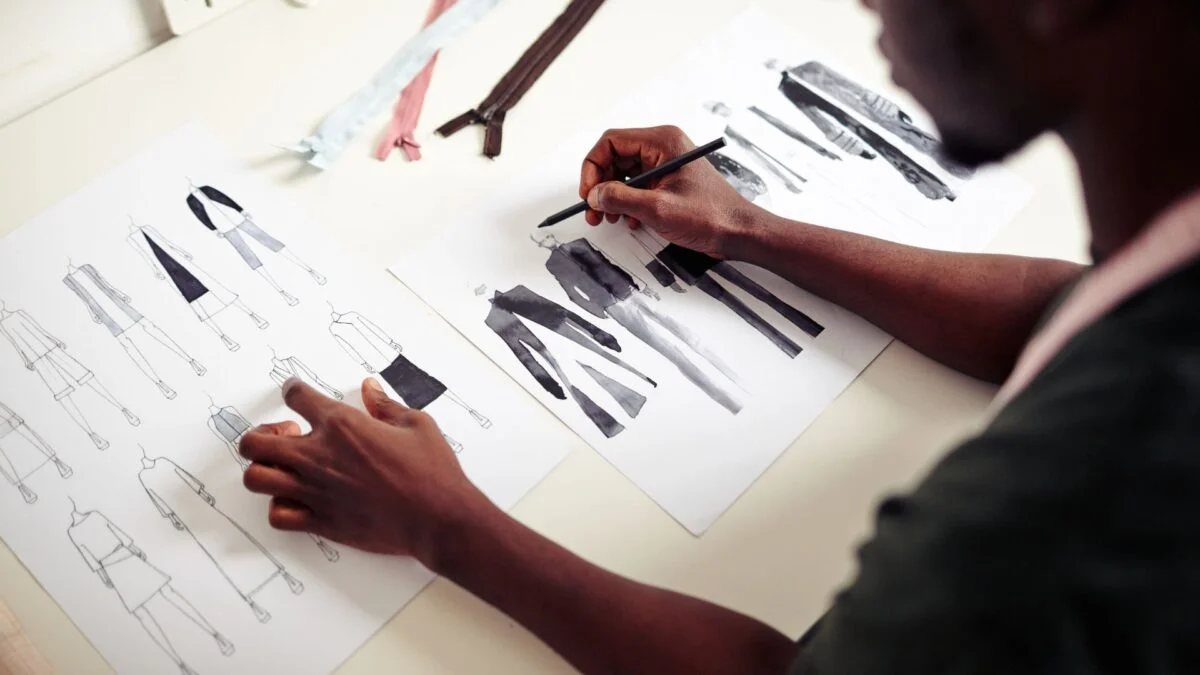
Luxury fashion is undergoing a significant transformation. For decades, the industry was largely shaped by a narrow set of cultural perspectives centered around European heritage, elite exclusivity, and traditional fashion capitals. Today, that narrative is changing rapidly. Diaspora designers are emerging as some of the most influential voices in modern luxury, bringing new cultural perspectives, hybrid identities, and deeply personal storytelling into global fashion.
These designers are not simply adding diversity to the industry. They are redefining what luxury means in the modern era. Through craftsmanship, cultural memory, innovation, and social commentary, diaspora creatives are challenging outdated ideas about prestige, beauty, and belonging.
Their work reflects the realities of migration, multicultural identity, and generational experience. In doing so, they are expanding luxury fashion beyond traditional aesthetics and creating space for more emotionally resonant and globally connected storytelling.
Understanding the Diaspora Influence in Fashion
The term diaspora refers to communities that live outside their ancestral homelands while maintaining cultural connections to their heritage. Diaspora designers often grow up navigating multiple identities at once, balancing inherited traditions with contemporary global influences.
This duality has become one of the most powerful creative forces in fashion today.
Rather than viewing cultural identity as fixed, many diaspora designers approach fashion as a conversation between:
- Heritage and modernity
- Tradition and experimentation
- Memory and reinvention
- Local craftsmanship and global visibility
Their collections often reflect layered experiences that feel more emotionally complex than conventional luxury narratives.
Why the Luxury Industry Is Shifting
The traditional luxury model relied heavily on exclusivity tied to European history, aristocratic aesthetics, and legacy craftsmanship. While these elements still influence the market, consumer expectations have evolved.
Modern luxury consumers increasingly value:
- Authentic storytelling
- Cultural relevance
- Ethical production
- Individuality
- Emotional connection
- Creative originality
Younger audiences especially want fashion that reflects real experiences and diverse identities rather than unattainable perfection.
Diaspora designers are responding to this shift by creating brands that feel culturally alive and globally aware.
Fashion as Cultural Translation
One of the defining strengths of diaspora designers is their ability to translate cultural influences into contemporary fashion language. Their work often blends traditional references with modern silhouettes and techniques.
This can include:
- Indigenous textiles paired with tailoring
- Traditional embroidery reimagined in streetwear
- Historical references fused with futuristic styling
- Regional craftsmanship integrated into luxury collections
Rather than treating heritage as costume, diaspora designers use cultural elements with nuance and intention.
This approach allows them to preserve cultural memory while making it relevant to modern audiences.
Storytelling Has Become the New Luxury
Luxury fashion once focused heavily on status signaling. Today, storytelling has become equally important.
Diaspora designers often build collections around deeply personal narratives connected to:
- Family history
- Migration experiences
- Colonial legacies
- Identity struggles
- Generational memory
- Cultural pride
These stories create emotional depth that resonates strongly with modern consumers.
People increasingly want to understand the meaning behind what they wear. Clothing is no longer viewed solely as decoration. It has become a way to express values, identity, and cultural awareness.
Challenging Eurocentric Beauty Standards
For much of fashion history, luxury aesthetics were shaped primarily through Eurocentric ideals. Diaspora designers are actively challenging those standards by introducing broader definitions of beauty and elegance.
This includes celebrating:
- Diverse body types
- Non Western silhouettes
- Darker skin tones
- Indigenous craftsmanship
- Traditional adornment
- Regional artistry
As these perspectives gain visibility, luxury fashion is becoming more inclusive and visually expansive.
This shift is not only changing representation on runways but also influencing photography, styling, casting, and editorial storytelling.
The Role of Craftsmanship in Diaspora Fashion
Craftsmanship remains central to luxury fashion, but diaspora designers are broadening whose craftsmanship receives recognition.
Many brands now spotlight artisan traditions from regions historically overlooked by mainstream luxury markets.
Examples include:
- Hand weaving techniques
- Traditional dyeing methods
- Indigenous beadwork
- Regional embroidery
- Textile preservation
- Handcrafted tailoring
By collaborating with artisans and local communities, diaspora designers help preserve cultural practices while creating economically sustainable partnerships.
This approach also challenges the idea that luxury craftsmanship belongs exclusively to European ateliers.
Streetwear and Luxury Have Merged
Diaspora influence has also contributed to the blending of streetwear and luxury fashion. Many designers with multicultural backgrounds grew up influenced by music, urban culture, migration communities, and global youth movements.
As a result, their work often combines:
- Luxury construction
- Streetwear silhouettes
- Cultural symbolism
- Contemporary activism
- Youth identity
This fusion has reshaped modern luxury aesthetics.
Fashion houses that once prioritized formal elegance now embrace sneakers, oversized tailoring, graphic storytelling, and casual styling because younger consumers connect more strongly with authenticity than rigid formality.
Representation Behind the Scenes Matters
The transformation of luxury fashion is not limited to designers alone. Diaspora creatives are increasingly influencing:
- Styling
- Fashion photography
- Casting direction
- Editorial production
- Creative consulting
- Fashion journalism
This broader representation changes how fashion stories are told and who gets centered within the narrative.
Luxury brands are beginning to recognize that authentic cultural storytelling requires meaningful representation behind the scenes, not just diverse marketing campaigns.
Sustainability and Cultural Preservation
Many diaspora designers approach sustainability differently from traditional luxury brands. Instead of treating sustainability solely as an environmental issue, they often connect it to cultural preservation and ethical responsibility.
Their work may emphasize:
- Slow fashion production
- Artisan support
- Textile preservation
- Local manufacturing
- Generational craftsmanship
- Reduced waste practices
This perspective adds emotional and historical dimensions to sustainability conversations within luxury fashion.
Consumers increasingly appreciate brands that prioritize longevity and cultural respect over mass production.
Digital Platforms Accelerated Visibility
Social media and digital fashion platforms have significantly helped diaspora designers gain global recognition. In earlier decades, access to luxury fashion gatekeepers was extremely limited.
Today, digital visibility allows emerging creatives to:
- Build direct audiences
- Share cultural narratives independently
- Control visual storytelling
- Reach international consumers
- Create communities around identity and fashion
This democratization of visibility has weakened traditional fashion hierarchies.
Independent designers can now influence global style conversations without relying entirely on legacy institutions.
Cultural Influence Is Driving Fashion Trends
Many of today’s most influential fashion trends originate from diaspora communities long before entering mainstream luxury spaces.
This includes influences from:
- African fashion traditions
- South Asian textiles
- Caribbean styling
- Middle Eastern tailoring
- Latin American craftsmanship
- Asian street fashion
Luxury fashion increasingly borrows from global cultural aesthetics because consumers are drawn to originality and layered identity.
Diaspora designers often lead these movements because they understand the cultural context behind the aesthetics rather than simply treating them as trends.
The Importance of Authenticity
Modern audiences are highly sensitive to performative diversity and superficial inclusion. Diaspora designers often gain strong consumer loyalty because their work feels authentic rather than commercially manufactured.
Authenticity comes from lived experience.
Consumers respond to brands that communicate:
- Genuine cultural understanding
- Emotional honesty
- Clear creative vision
- Respect for heritage
- Personal storytelling
This emotional sincerity gives diaspora-led brands a strong advantage in an era where audiences increasingly distrust overly polished corporate branding.
Luxury Is Becoming More Emotionally Intelligent
One of the biggest shifts driven by diaspora creatives is the idea that luxury should feel emotionally intelligent rather than emotionally distant.
Traditional luxury often emphasized exclusivity through detachment and inaccessibility. Modern luxury is becoming more relational and human centered.
Diaspora designers contribute to this evolution by prioritizing:
- Community
- Identity
- Vulnerability
- Cultural dialogue
- Shared experiences
Fashion is becoming less about displaying status and more about expressing connection and perspective.
Challenges Diaspora Designers Still Face
Despite growing visibility, many diaspora designers continue facing systemic challenges within the fashion industry.
These may include:
- Limited funding access
- Industry gatekeeping
- Tokenization
- Cultural appropriation concerns
- Unequal media coverage
- Pressure to represent entire communities
Some designers also face expectations to constantly educate audiences about their cultural references rather than simply creating freely.
While progress is happening, structural inequality still exists within many areas of luxury fashion.
The Future of Luxury Fashion
The future of luxury fashion will likely become increasingly multicultural, collaborative, and globally interconnected.
Diaspora designers are helping shape this future by expanding the industry’s creative language and redefining whose stories deserve visibility.
Emerging trends suggest luxury will continue prioritizing:
- Cultural depth
- Ethical craftsmanship
- Personal storytelling
- Emotional resonance
- Hybrid aesthetics
- Inclusive creativity
Consumers no longer view luxury as belonging exclusively to traditional fashion capitals. Creativity now flows across borders, identities, and generations.
Conclusion
Diaspora designers are transforming luxury fashion by bringing cultural complexity, emotional storytelling, and global perspective into an industry historically shaped by narrow standards. Their work challenges outdated ideas of exclusivity while expanding the definition of craftsmanship, beauty, and prestige.
Rather than treating heritage as a marketing tool, these designers use fashion as a way to explore identity, preserve memory, and build meaningful cultural dialogue. Through authenticity and innovation, they are creating a more inclusive and emotionally intelligent vision of luxury.
As the fashion industry continues evolving, diaspora voices will likely remain central to shaping what modern luxury looks and feels like. Their influence is not simply a trend. It represents a broader cultural shift toward storytelling, representation, and globally connected creativity.
FAQ
What is a diaspora designer in fashion?
A diaspora designer is someone who creates fashion while living outside their ancestral homeland but remains connected to their cultural heritage and identity.
Why are diaspora designers influencing luxury fashion?
They bring fresh cultural perspectives, authentic storytelling, and hybrid creative influences that resonate with modern global audiences.
How do diaspora designers challenge traditional luxury standards?
They expand ideas of beauty, craftsmanship, and identity beyond Eurocentric traditions while introducing more inclusive and emotionally driven narratives.
Why is storytelling important in modern luxury fashion?
Consumers increasingly want emotional connection and cultural meaning behind products, making storytelling a major part of brand identity and value.
How does diaspora fashion support craftsmanship?
Many diaspora designers collaborate with artisans and preserve traditional textile and handcraft techniques that might otherwise disappear.
What role does social media play in diaspora fashion visibility?
Digital platforms allow designers to share their work globally, build independent audiences, and bypass traditional fashion gatekeepers.
Is diaspora influence changing the future of luxury fashion?
Yes. The industry is becoming more multicultural, emotionally connected, and globally influenced because of the growing impact of diaspora creatives.
Comments are closed.